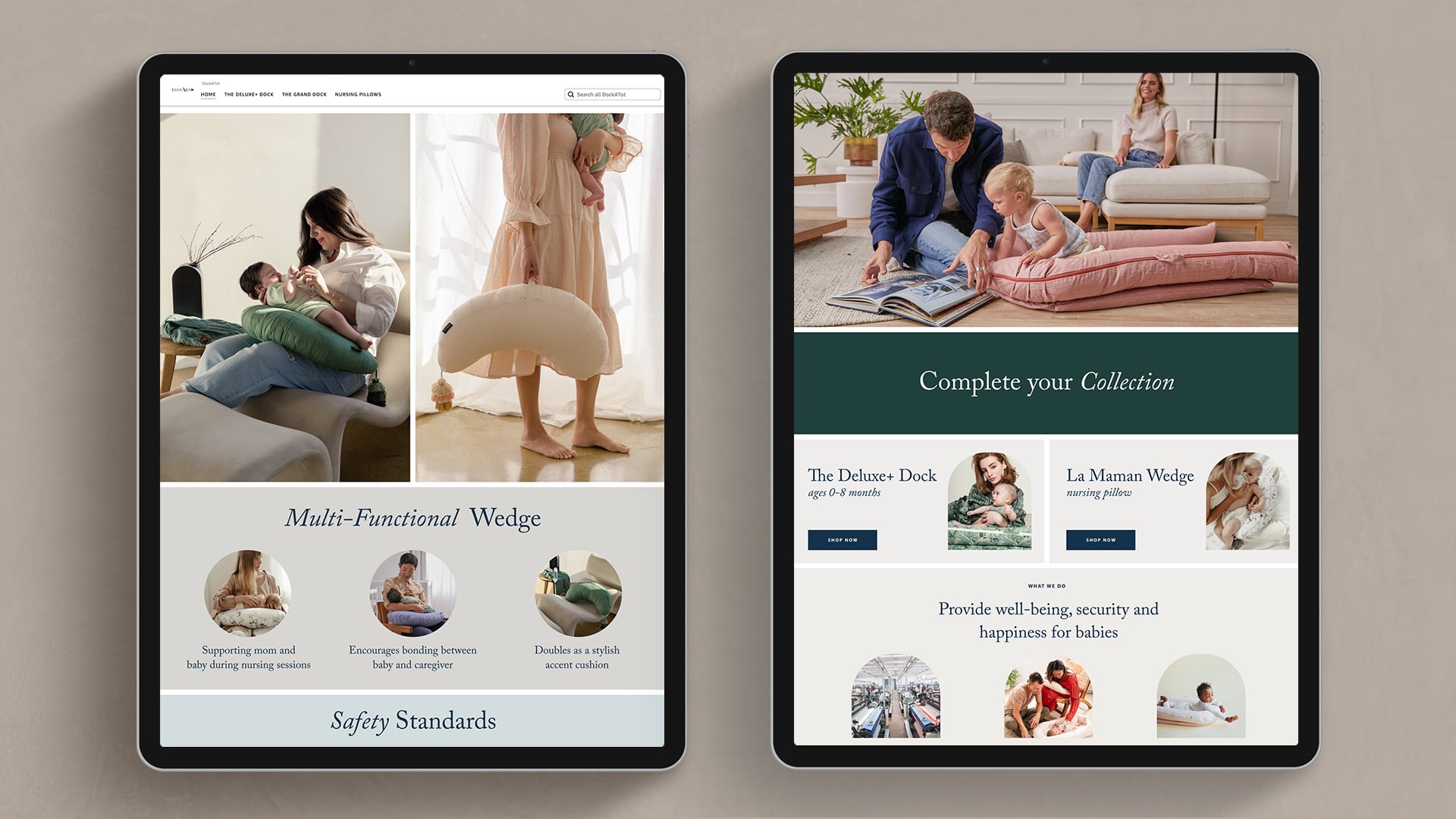
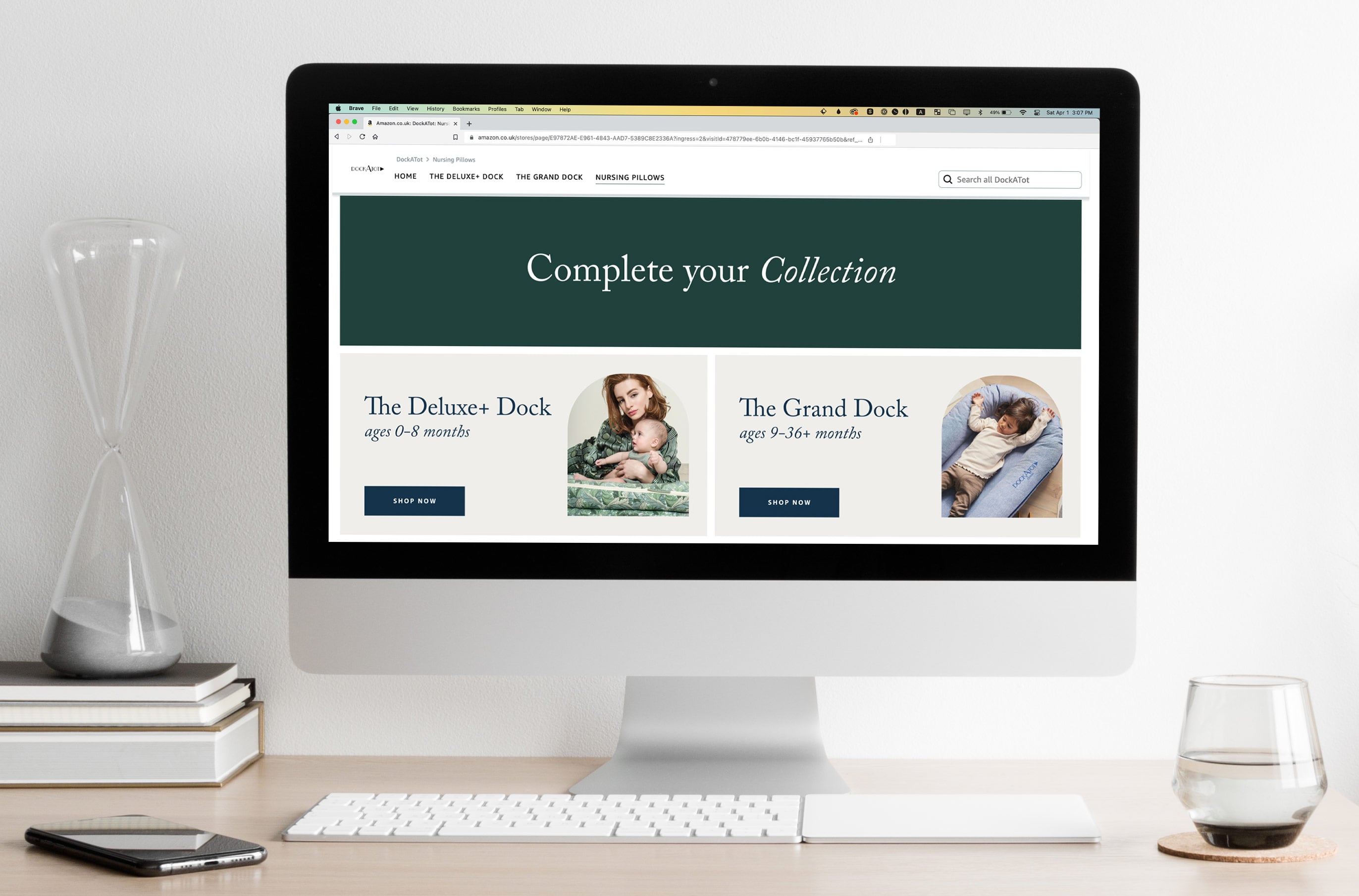
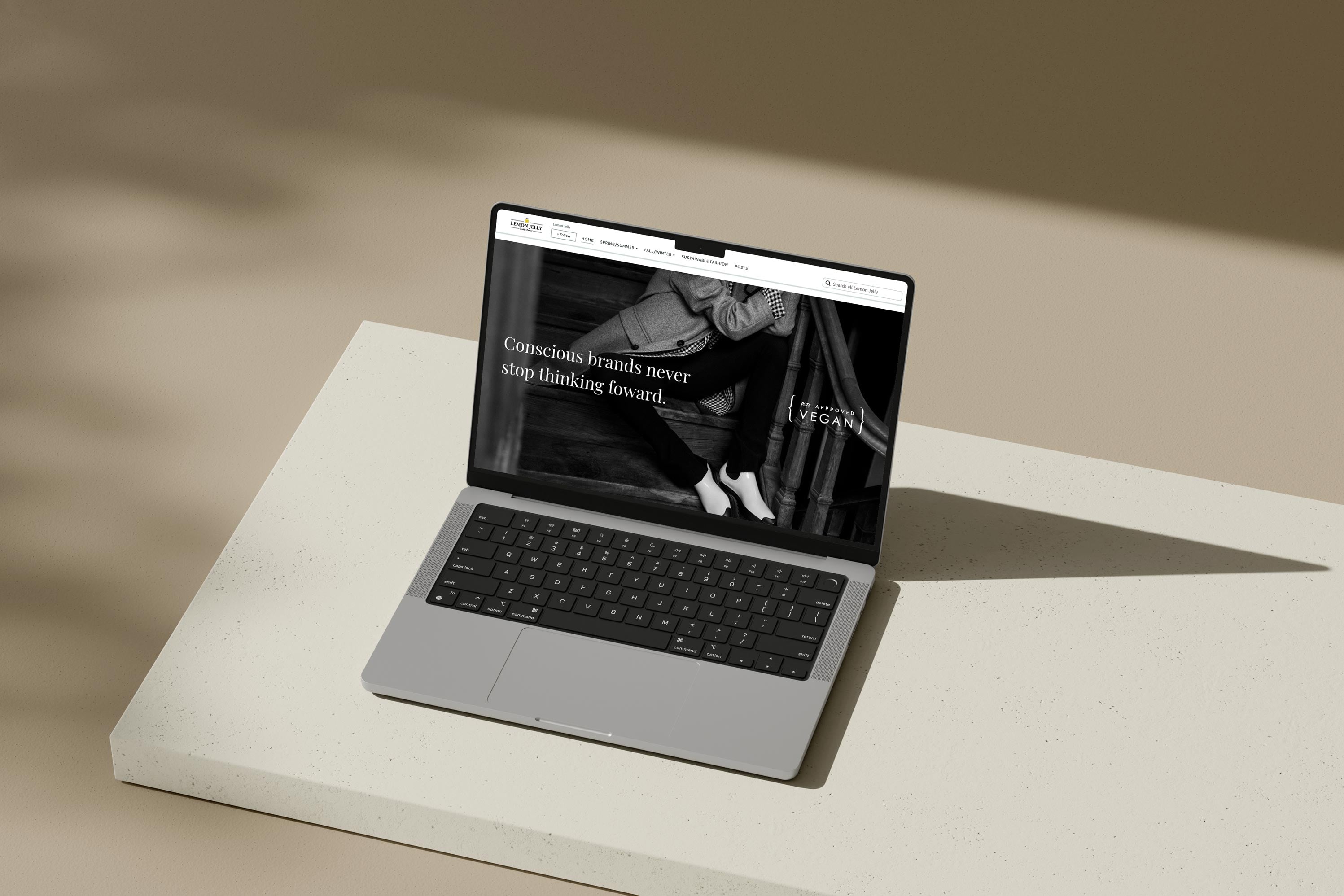
Bringing a premium baby brand's identity to Amazon without losing what made it premium.
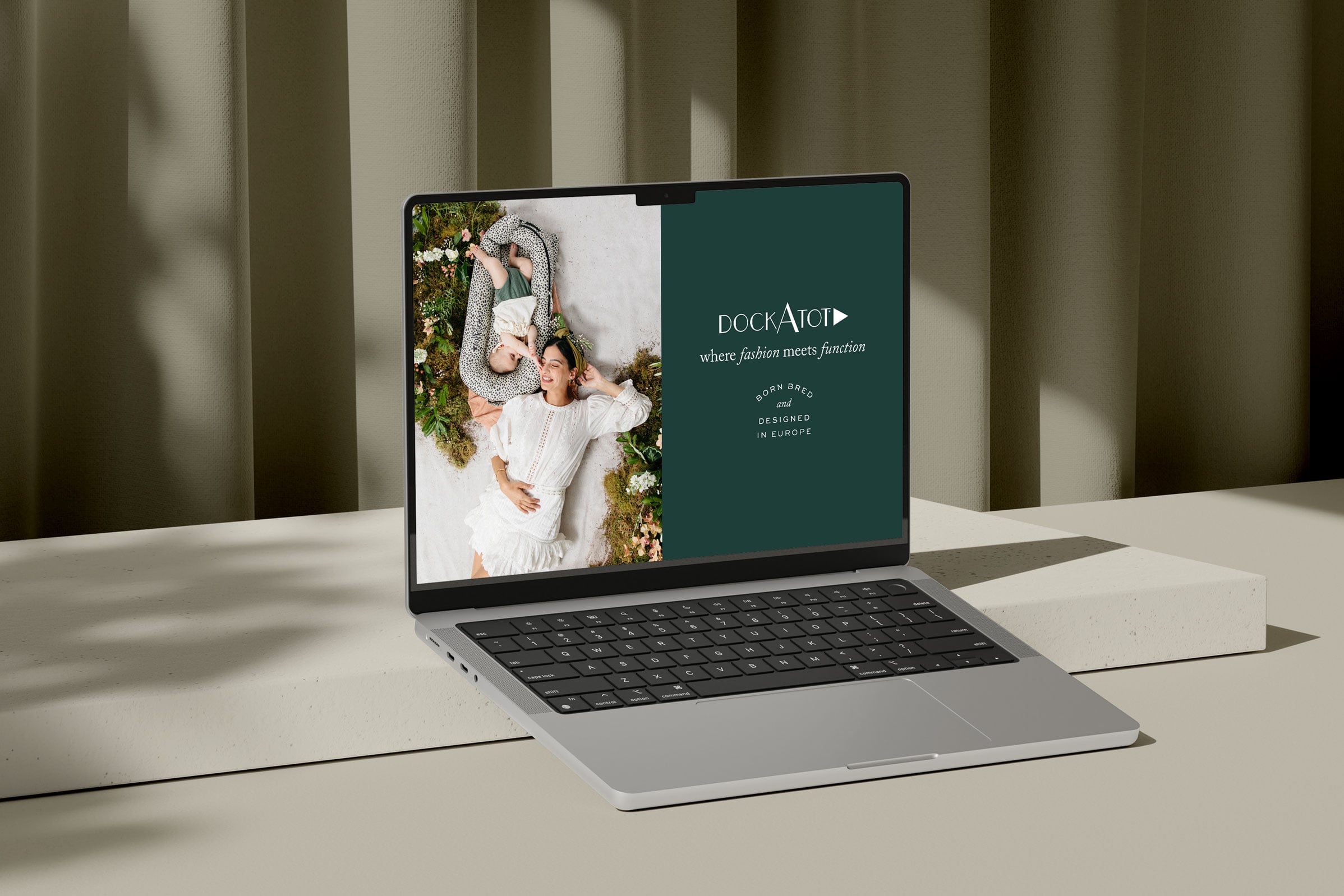
DockATot had built a strong, design-forward brand on their DTC site and across social: lifestyle-led, visually refined, the kind of brand that parents feel good about buying. Their Amazon presence didn't match it. The content was functional but generic, and the gap between how the brand showed up on its own channels versus Amazon was noticeable.
The brief was to build an Amazon Brand Store that felt like a genuine extension of DockATot rather than an adaptation of it. Premium, aesthetically considered, optimized for conversion without sacrificing the brand's visual identity.
A store that closed the gap between DockATot's off-Amazon brand presence and their Amazon content. The design carried the brand's core idea — that baby products should be as beautiful as they are functional — into a channel that typically flattens that kind of positioning. The store gave the brand room to be itself on Amazon.
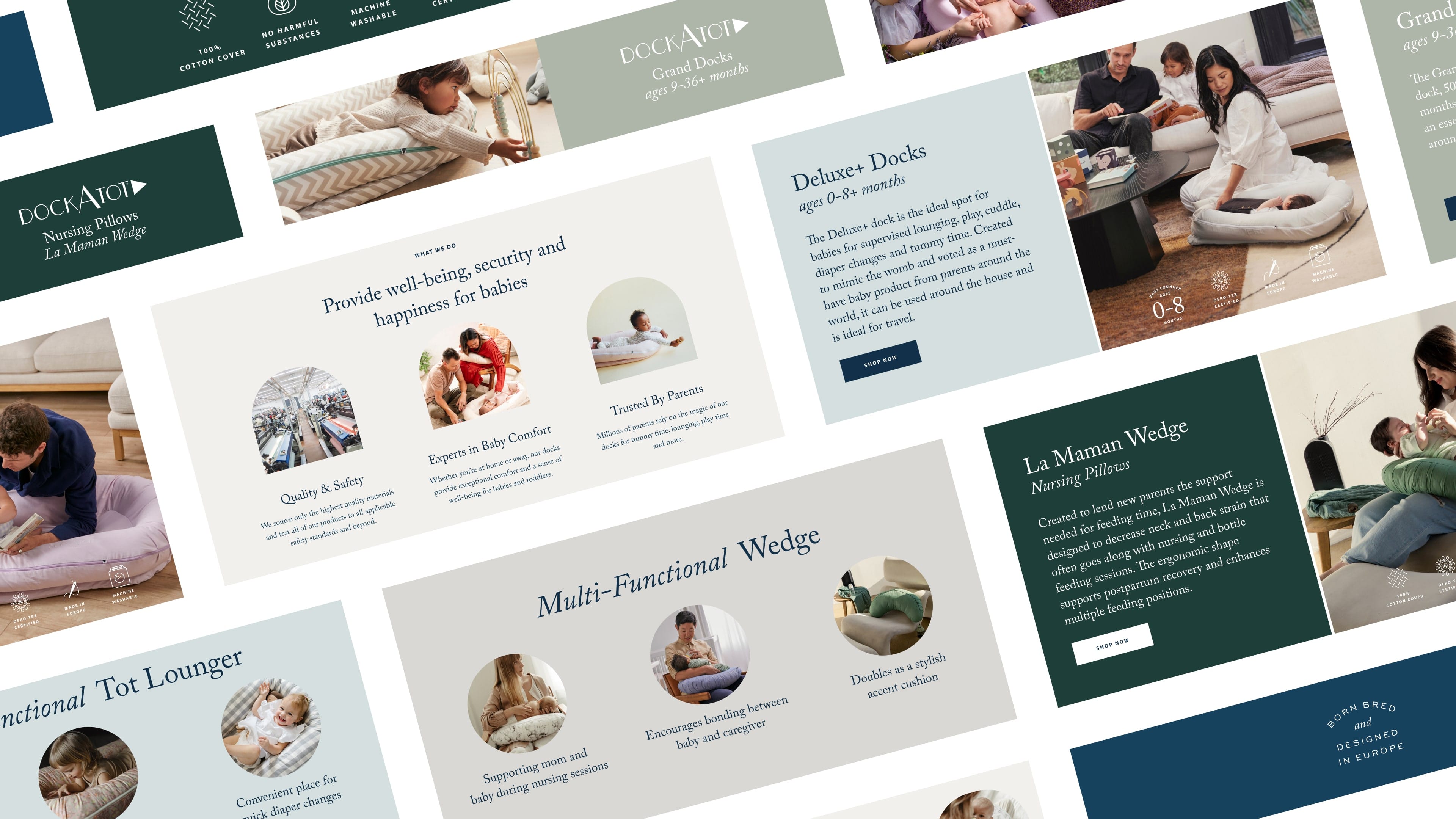
Starting with the brand, not the platform
Before designing anything, I studied DockATot's existing brand guidelines alongside how the brand actually showed up on their website and social channels. Not just the rules, but the feeling. The lifestyle photography, the use of negative space, the way products were shown in real home environments rather than isolated on white. That visual language became the foundation for every design decision in the store.
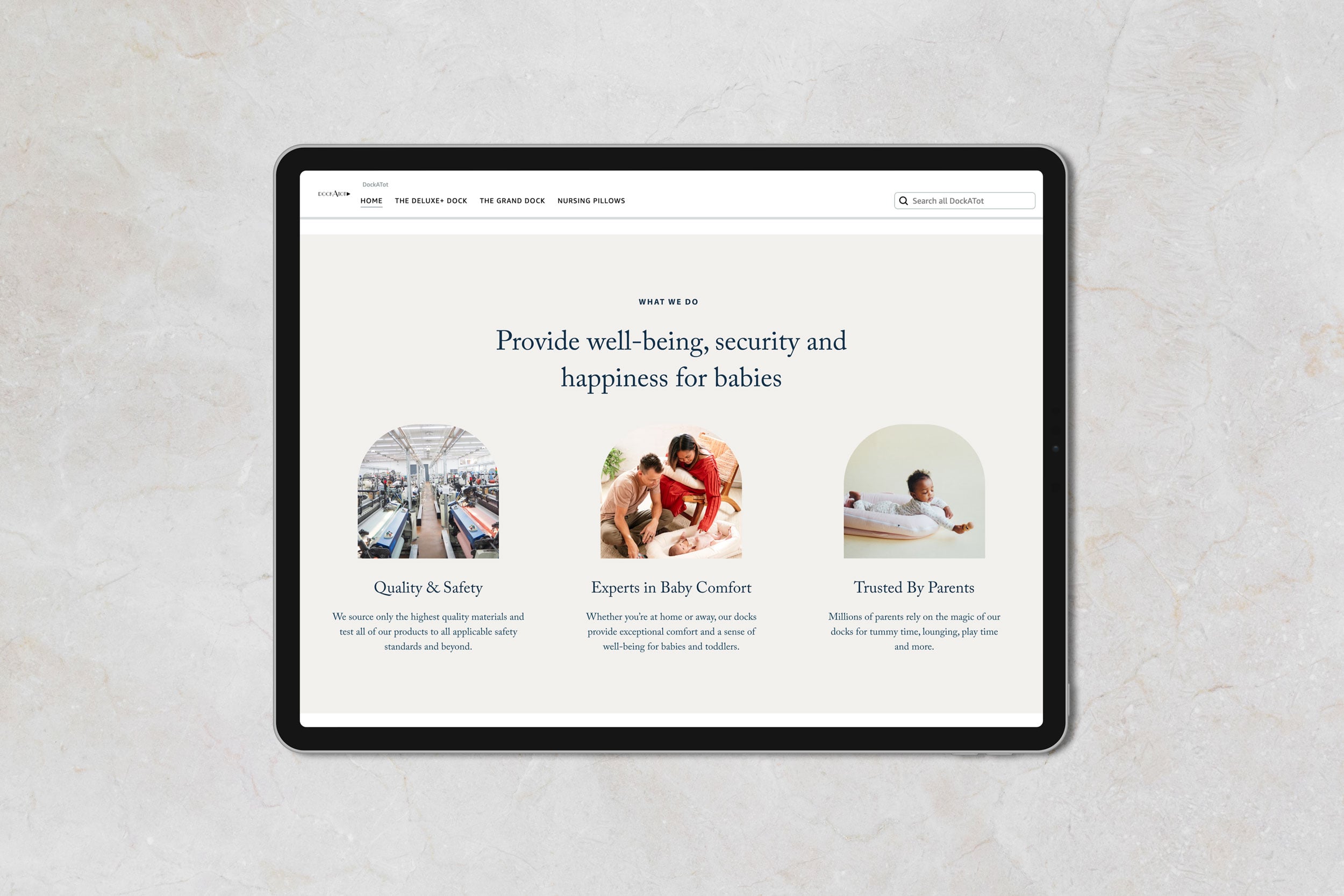
Fashion meets function
DockATot's core brand idea — that their products are as aesthetically considered as they are functional — needed to come through on Amazon, where most baby brands lead with features and safety specs. The store was designed to let the lifestyle imagery do the positioning work first, with product detail and navigation structured underneath it. Shoppers could understand what made DockATot different before they read a single bullet point.
Store design and navigation
Geometric framing devices from DockATot's website were adapted for the banner graphics, a visually dynamic way of integrating lifestyle imagery with product messaging that felt native to the brand. The homepage was structured to surface the product range clearly and help shoppers navigate quickly, with more detailed product information living on dedicated store pages rather than crowding the homepage. Call-to-action buttons anchored the bottom of every page to keep the shopper moving.